
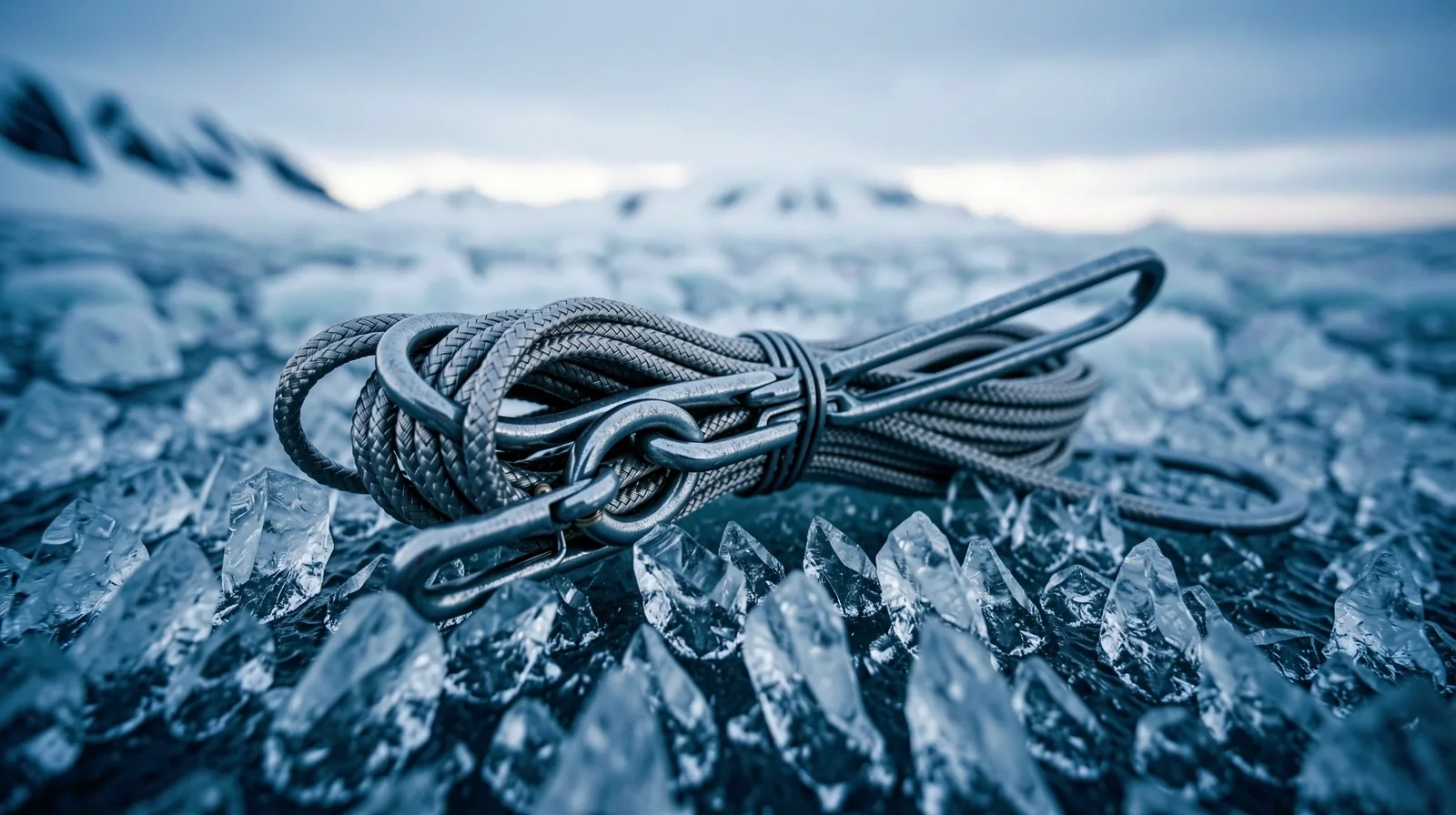
The Expedition Kit
In the high arctic, precision is the only buffer between a successful fishing adventure and equipment failure. When temperatures plummet to -40°C, material science dictates survival. Understanding thermal conductance, tensile brittle points, and hydrophobic mechanical limits is non-negotiable for those navigating frozen waters.
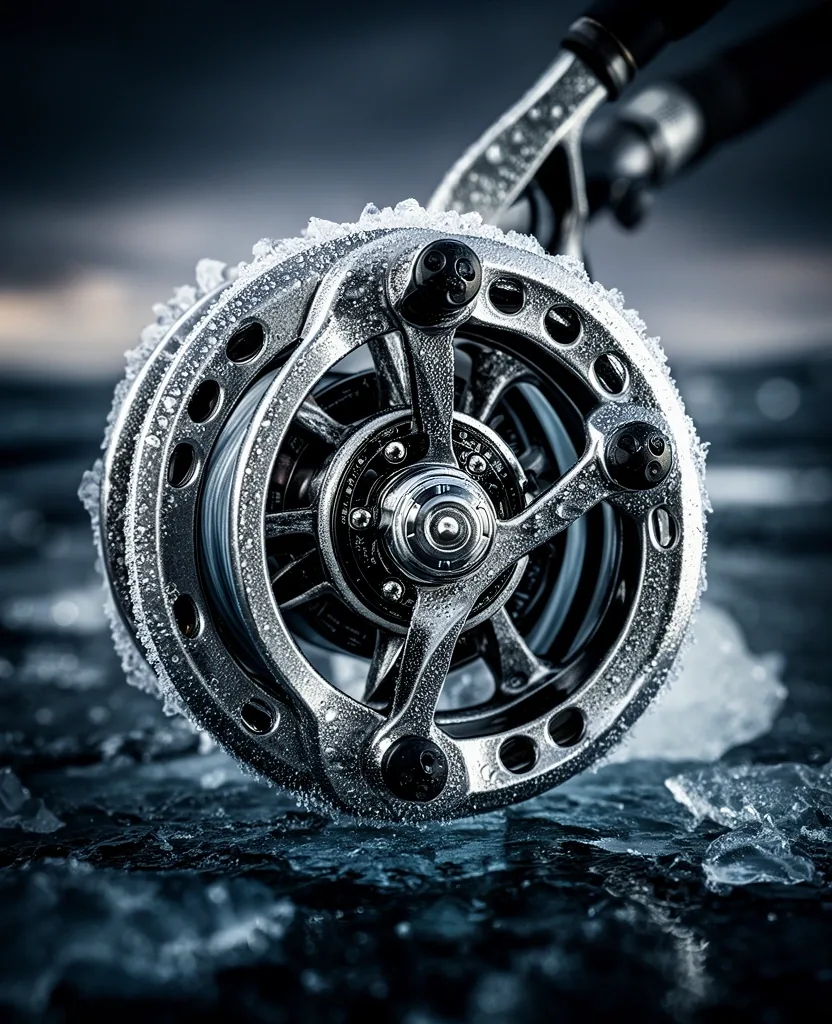
Mechanical Reliability
Standard lubricants seize in extreme cold. Our guide covers anti-freeze synthetic compounds and magnesium alloy housings that maintain haptic integrity.
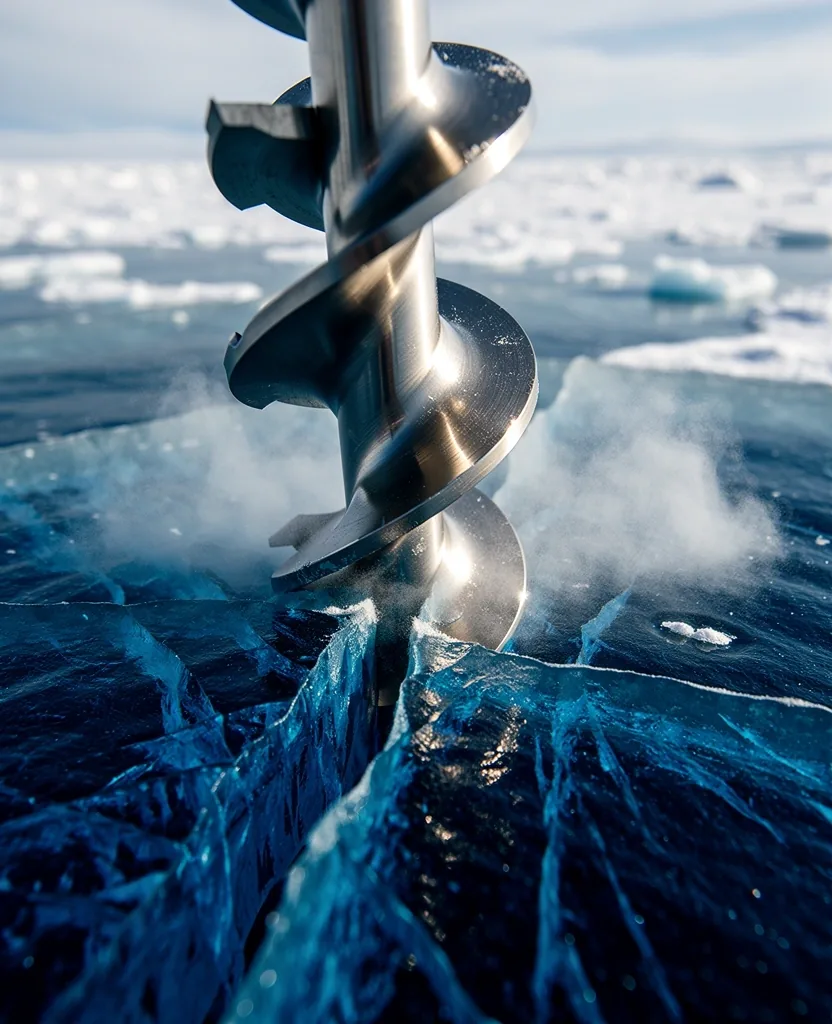
Structural Integrity
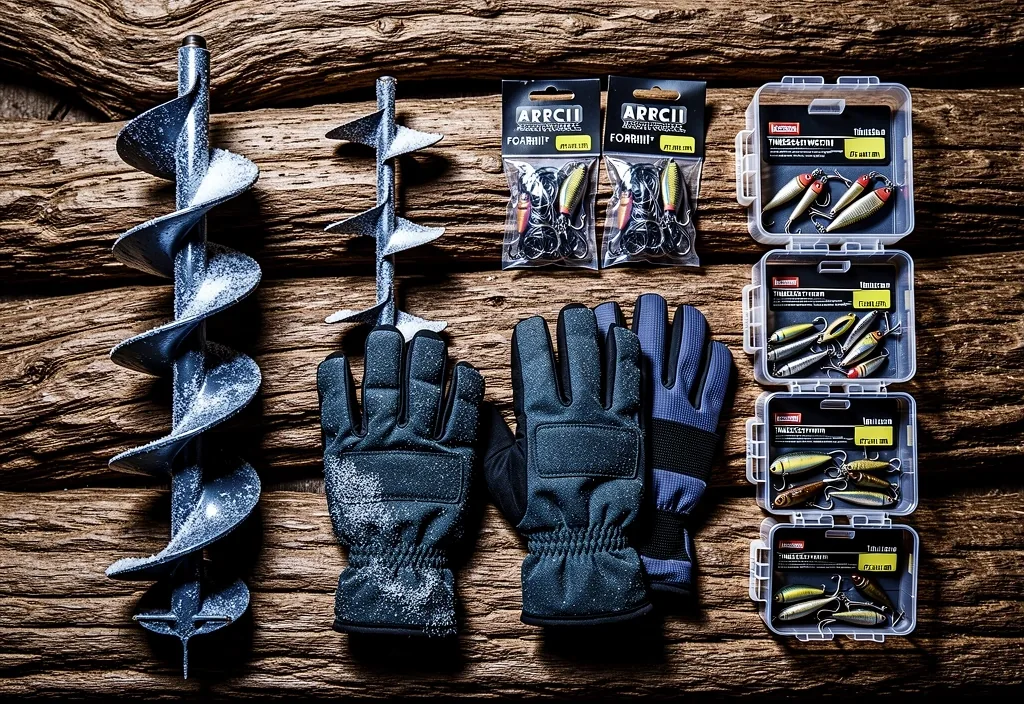
From manual lightness to lithium-ion torque, selecting the right auger depends on the ice crust density of the frozen waters you anticipate.
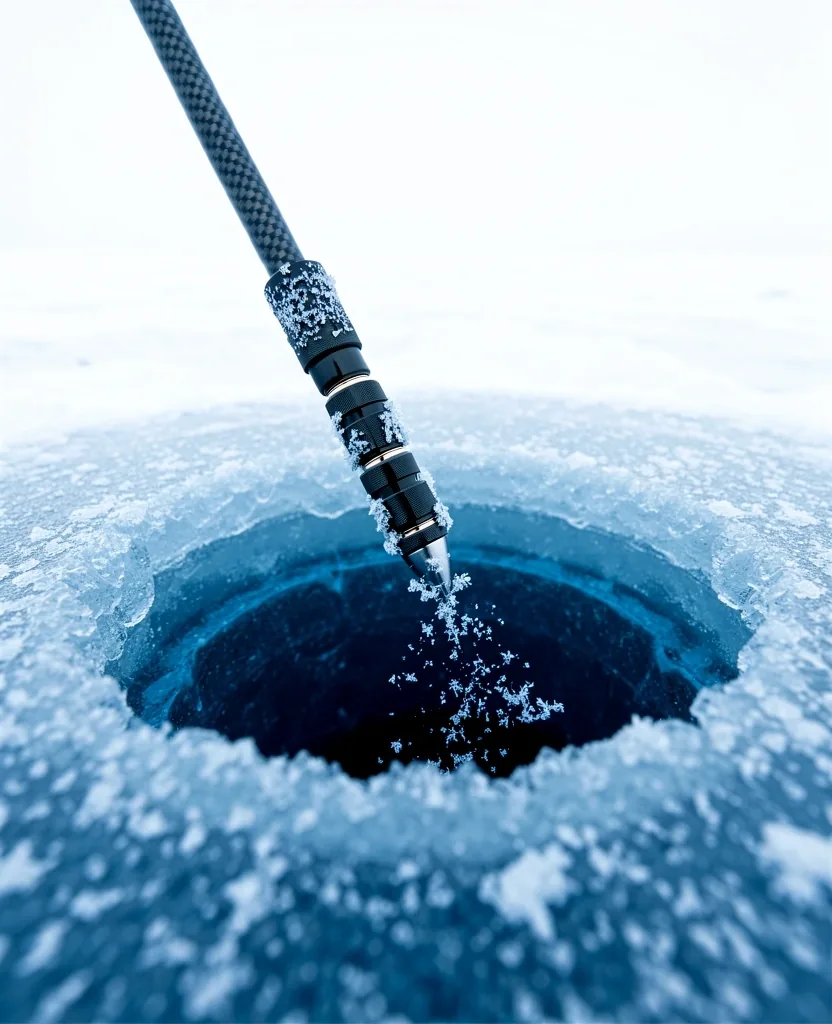
Signal Fidelity
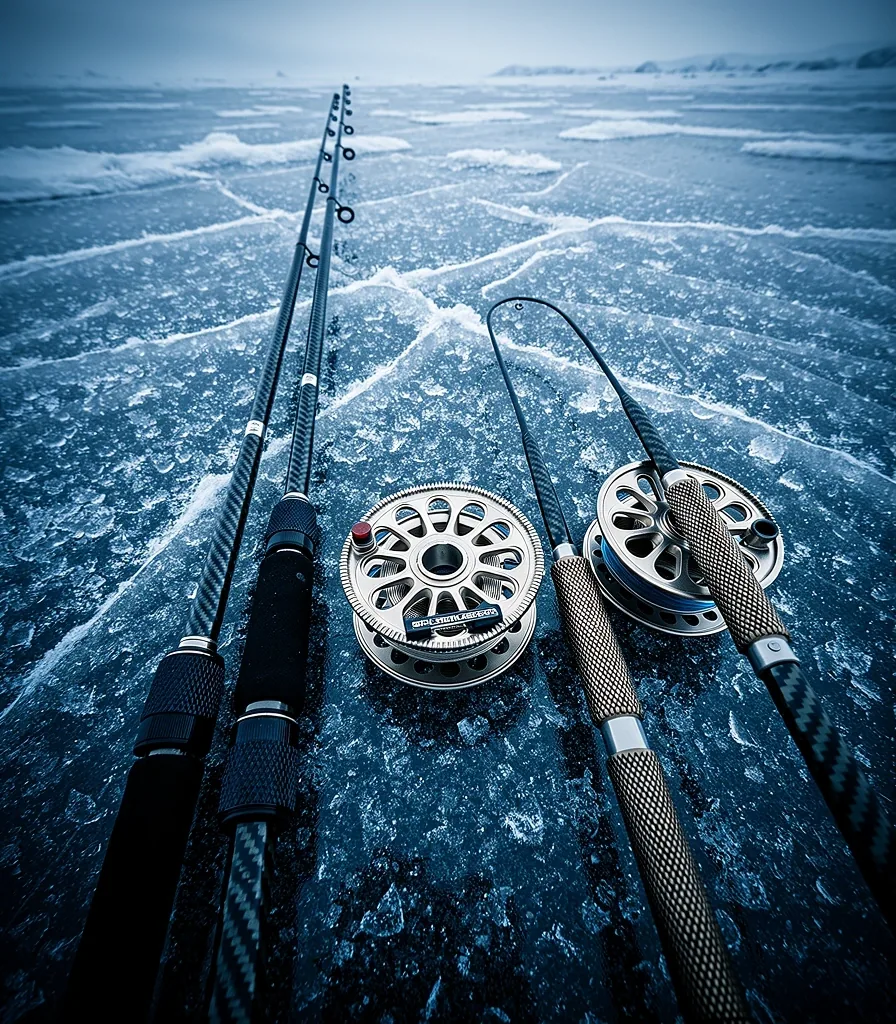
Sensitivity is the primary metric for the Glacial Depths Challenge. Short, carbon-core rods allow for immediate strike detection through thick gloves.
The Philosophy of The Silence
Arctic fishing is an exercise in atmospheric patience. It is not about the frequency of the catch, but the quality of the engagement within a hostile environment. Our archive focuses on the physical variables that define this fishing experience.
- 01. Line Physics: Cold air makes standard monofilament brittle. We recommend hydrophobic fluorocarbon that resists ice buildup in the eyelets during a snowstorm hook.
- 02. Thermal Layering: Moisture-wicking base layers are vital. Sweat that cools against the skin is a primary risk during stationary sport on frozen waters.
- 03. Emergency Protocols: Ice picks worn around the neck are the single point of failure for self-rescue. We prioritize safety over recreation.
Technical Endurance Standards
Every piece of equipment in the North Pole Navigator simulation is modeled after real-world material properties. We test for haptic sensitivity, torque resistance, and thermal fatigue.
Technical Inquiry Cluster
Master the Digital Deep
Apply your technical knowledge in our specialized simulations. Explore the Arctic Reel Explorer or challenge the Glacial Depths today. No risk, just pure interactive fishing.